Medik8 Exo-PDRN Prismatic+
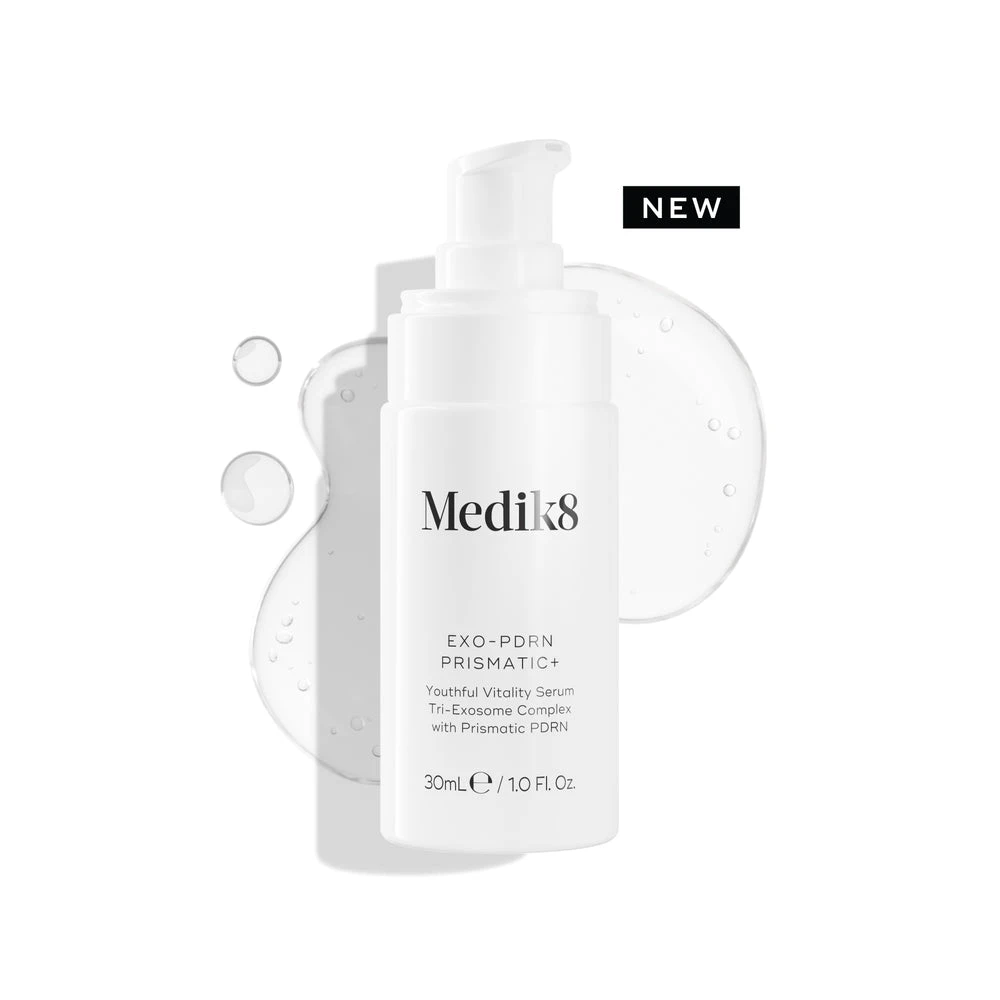
An example of PDRN and exosome language meeting in one topical serum.
Photo source: Medik8
BEAUTY / EXPLAINED
PDRN, peptides, skin boosters and more — what they mean, where you’ll find them, and what to ask before choosing.
About 9 min read
When you’re looking for a new cream or thinking about a cosmetic treatment, it helps to know what your options are.
But among the serums, masks and treatments, names like PDRN, exosomes and skin boosters keep appearing. What do they actually mean, and what are they used for?
I wanted to understand them too. So I put together a guide to some of the most talked-about developments: what they are, which skin concerns they aim to address, and whether you’ll find them in skincare at home or in a professional treatment.
The idea is to make your next search a little easier — and help you know what to ask before you choose.
01
The letters appearing on more and more serums.
PDRN stands for polydeoxyribonucleotide: fragments of DNA used in products and treatments associated with skin repair and renewal. Many versions come from purified salmon-derived material. The viral phrase “salmon sperm skincare” describes the origin of an ingredient; it does not mean a serum contains unprocessed sperm.
You will now find PDRN in serums, creams and masks, usually presented as a way to support hydration, radiance and skin recovery. Not every version comes from fish: Medik8’s Exo-PDRN Prismatic+ is marketed as a vegan formula.
Polynucleotides, often shortened to PN, are related to PDRN, but the terms are not interchangeable. Molecular size, formulation and delivery matter. PN treatments you hear about in clinics are often injectable.
A cream and an injection cannot be assumed to produce the same effect. Research on topical PDRN is developing, with small studies that need to be read in context.
An example of PDRN and exosome language meeting in one topical serum.
Photo source: Medik8
02
Familiar ingredients, increasingly sophisticated formulas.
Peptides are short chains of amino acids. Different peptides have different roles, so the word on a bottle tells you less than the complete formula. In skincare, they often appear in products aimed at smoother-looking skin, fine lines and elasticity.
Growth factors are proteins involved in communication between cells. Some cosmetics use biomimetic peptides: ingredients designed to imitate aspects of those signals. That does not mean every “growth factor” serum contains the same substances.
The Ordinary GF 15% Solution uses plant-based biomimetic EGF, TGF and IGF technologies. The 15% describes the formula’s growth-factor solution, rather than 15% pure growth-factor proteins. Medik8 Liquid Peptides Advanced MP is another example of newer formulation technology within this broader area.
These are topical skincare products. An immediate smoothing claim and a change measured over several weeks describe different outcomes. Neither means a serum works like injected Botox.
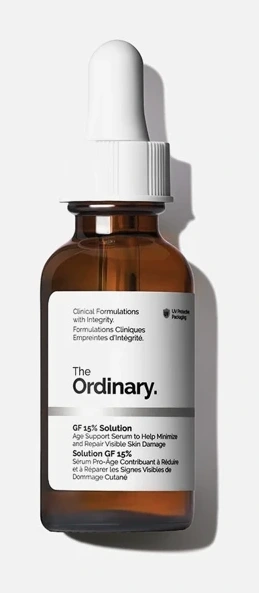
A serum built around plant-based biomimetic growth-factor technologies.
Photo source: Douglas
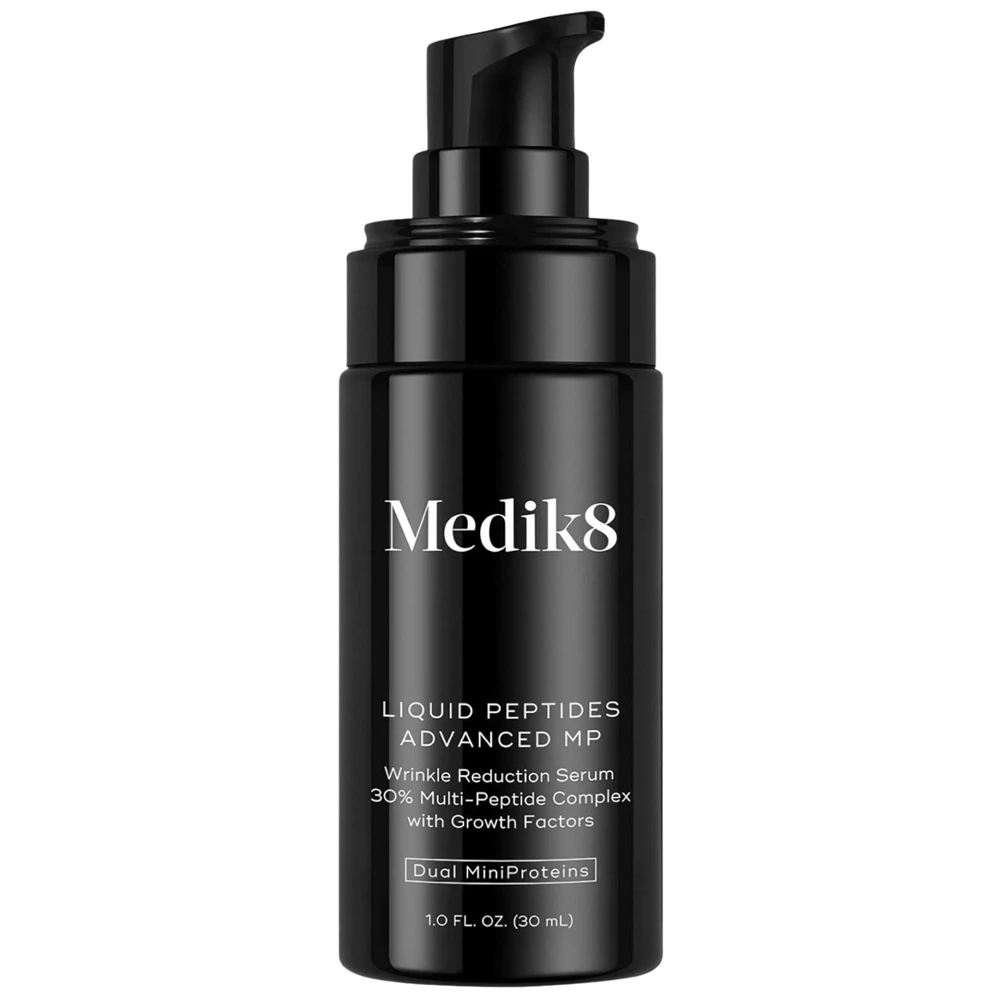
A contemporary peptide formula aimed at the appearance of lines and wrinkles.
Photo source: Dermstore
03
The idea of tiny cellular messengers.
Exosomes are tiny vesicles released by cells. They can carry biological material involved in communication between cells, which explains the interest in skin recovery and regeneration.
In beauty, the name now appears in topical products and around treatments. But exosomes from different sources, and technologies described as exosome-inspired, are not automatically equivalent.
Medik8’s Exo-PDRN Prismatic+ combines this language with PDRN in a home-use serum. Its presence on a product page helps explain the trend; it does not establish that every exosome product has the same evidence.
Clinical research is still developing. Evidence from one preparation or treatment route should not be transferred to every cream or post-procedure application.
04
When the aim is skin quality.
“Skin booster” is a broad label, usually used for injectable treatments intended to improve hydration and aspects of skin quality. Many contain hyaluronic acid, but products, techniques and expected results vary.
Profhilo is an established injectable hyaluronic-acid treatment associated with bioremodelling. It remains relevant to the current conversation; it is not a brand-new invention from 2026.
The useful distinction is what the treatment is designed to do: improve hydration or texture, change volume, or achieve a combination of effects. The category name alone cannot answer that.
These treatments involve needles. Swelling and bruising are possible, alongside other complications that the treating professional should explain.
05
A gradual effect, rather than an instant transformation.
Biostimulators are treatments intended to encourage collagen production over time. Sculptra, made with poly-L-lactic acid, is a well-known example.
The name can sound like an alternative to fillers, but Sculptra is itself an injectable dermal filler. It may also affect volume. “Biostimulator” does not mean needle-free or volume-free.
Results develop gradually, and the treatment plan and suitability depend on the person, the area and the practitioner.
Sources: [10]
Understanding the word is not the same as needing the treatment.
06
Two different ways of delivering energy to tissue.
Ultrasound and radiofrequency treatments use controlled energy to produce heat at selected depths. Depending on the system and treatment, the aim may be gradual firming or lifting.
Ultherapy PRIME is an updated ultrasound platform with real-time imaging. XERF is a dual-frequency monopolar radiofrequency system that works without needles. They use different technologies, so they are not interchangeable simply because both are described as “tightening”.
The result depends on the device, settings, treatment area, the condition of the tissue and the practitioner. These treatments are not a guarantee of a surgical-level lift.
Radiofrequency microneedling is another category, combining needles and RF energy. In October 2025, the FDA warned about serious complications with certain uses, including burns and scarring. That warning should not be blurred into a statement about every RF device.
07
The tingling products in the skincare conversation.
Spicules are tiny needle-like particles used in some cosmetics. Brands describe them as helping with the skin’s surface and the delivery of ingredients.
VT Reedle Shot 100 is one example. The sensation can include tingling, but a stronger sensation is not proof of a better result. It is also a different product category from professional microneedling.
Read the instructions before pairing it with devices or treatments. VT advises against using Reedle Shot with LED devices, immediately after dermatological procedures or on wounded skin.
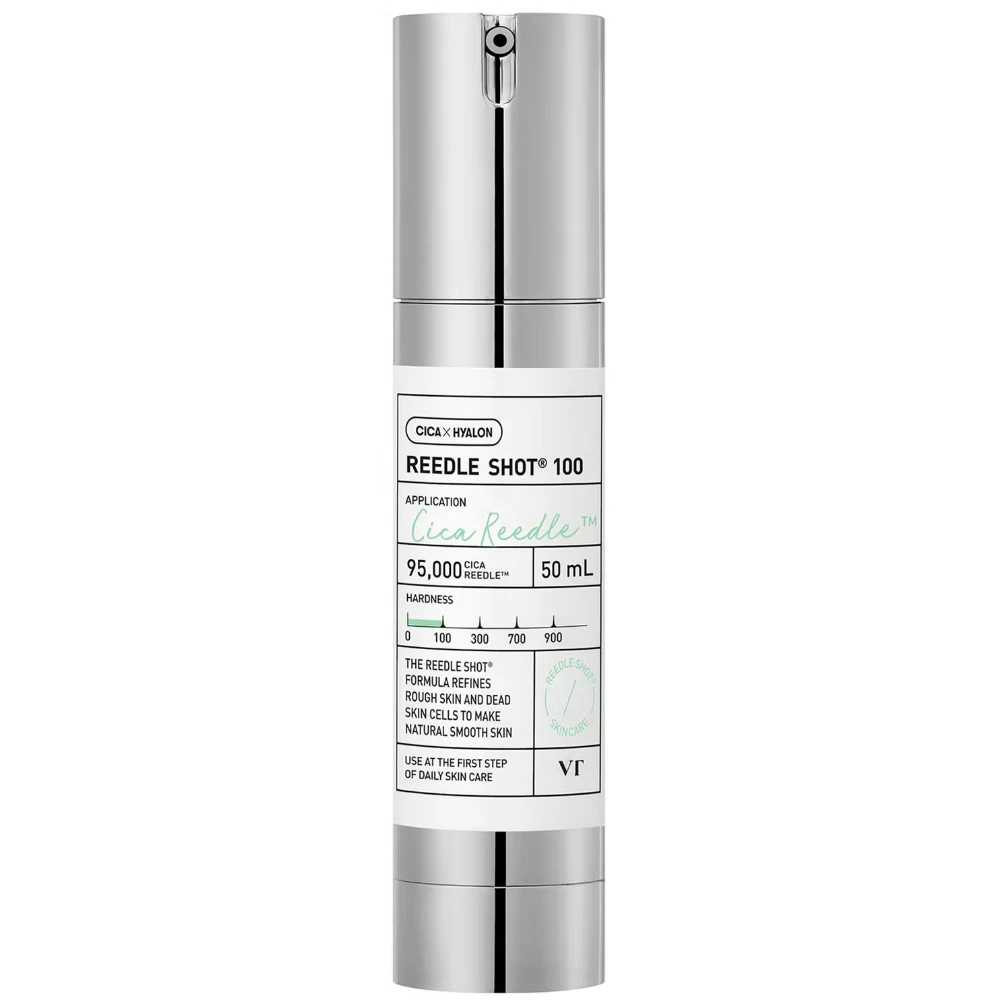
A spicule-containing cosmetic: a different category from professional microneedling.
Photo source: Justmylook
Sources: [14]
08
A treatment that depends on the device and consistency.
Red-light LED devices are increasingly visible in home skincare. The American Academy of Dermatology describes promising evidence for some signs of skin ageing, while noting that results and evidence vary.
LED itself is not new. What is expanding is the choice of devices for use at home. A mask’s appearance or popularity cannot tell you whether that model has been studied.
Check evidence for the exact device, its recommended schedule and eye-protection instructions. Expect gradual changes, rather than an overnight transformation.
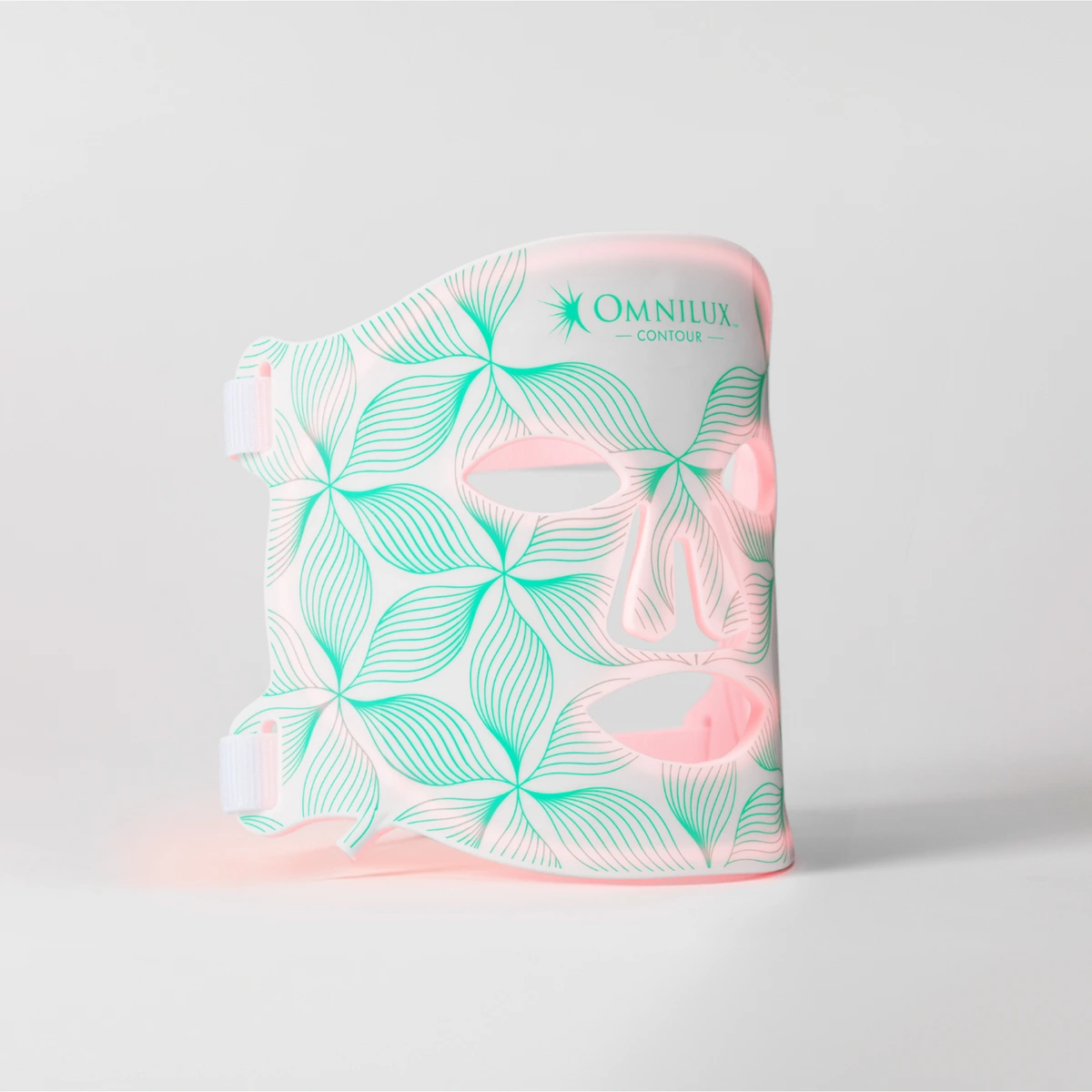
A flexible silicone mask for home use, combining red light at 633 nm with near-infrared light at 830 nm. It is an example of a device designed for concerns such as the appearance of fine lines and wrinkles.
The manufacturer recommends 10-minute sessions, three to five times a week for four to six weeks. Before choosing it, read the instructions and contraindications, and check that the device suits your skin and any medicines you use.
Photo source: Omnilux
09
The language of looking after skin over time.
Skin longevity is a broad idea about maintaining skin health over the long term. It is not a single ingredient or a standardised treatment.
Epigenetics concerns changes in how genes are expressed, without changing the DNA sequence itself. In skincare, brands use this science to explain new approaches to visible signs of ageing.
Eucerin Hyaluron-Filler + Longevity Epigenetic Serum, with Epicelline, is one example already on the market. “Filler” here is part of a cosmetic range name; the serum is not an injectable filler.
The practical question is what people can see and feel after using the finished formula. A laboratory marker of biological age is not, by itself, a promise that skin will look a certain number of years younger.
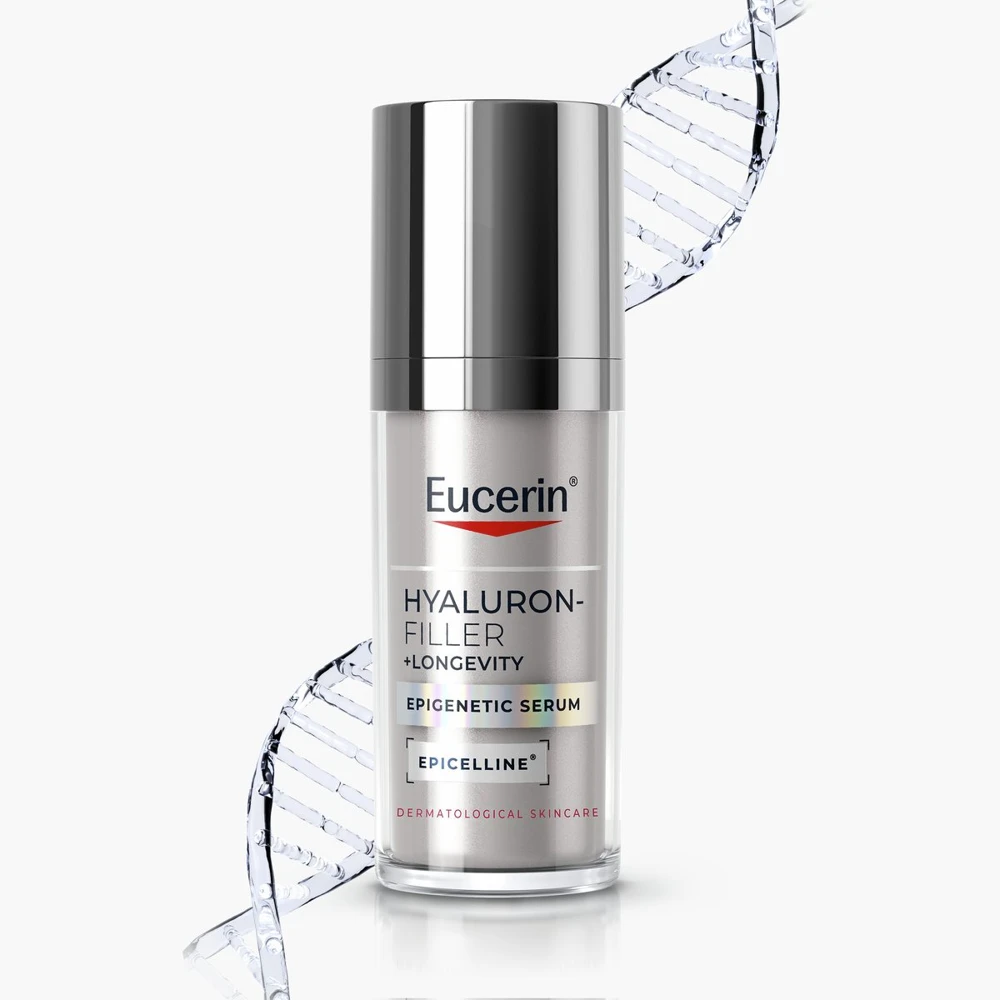
An example of epigenetic skincare, featuring the brand’s Epicelline ingredient.
Photo source: Eucerin
MY EDIT
01
What am I trying to understand or change? I would start there, before choosing an ingredient or a treatment category.
02
A product on a shelf and a procedure in a clinic are different decisions. A shared word does not make them interchangeable.
03
For a procedure, the questions about suitability, evidence and trade-offs belong in a qualified professional conversation. A trend list cannot make that choice for you.
THE TAKEAWAY
You don’t need to learn every new name. Start with the thing you want to improve: dryness, uneven texture, fine lines or loss of firmness. Then look for an option with evidence relevant to that concern.
The basics still matter: daily sun protection, a gentle routine and care suited to your skin. New technology can be interesting without every new launch needing a place on your shelf.
Knowing a little more gives you a better starting point. You can recognise what you’re looking at, ask a clearer question, and choose with more confidence.
The products shown are examples that help explain the terminology. This article does not report personal product testing. Manufacturer descriptions explain the intended use of a product; independent research helps put the broader category into context.
Cover: original AI-generated editorial image for YANA, LATELY. Product photographs: the sources credited beside each product.