01
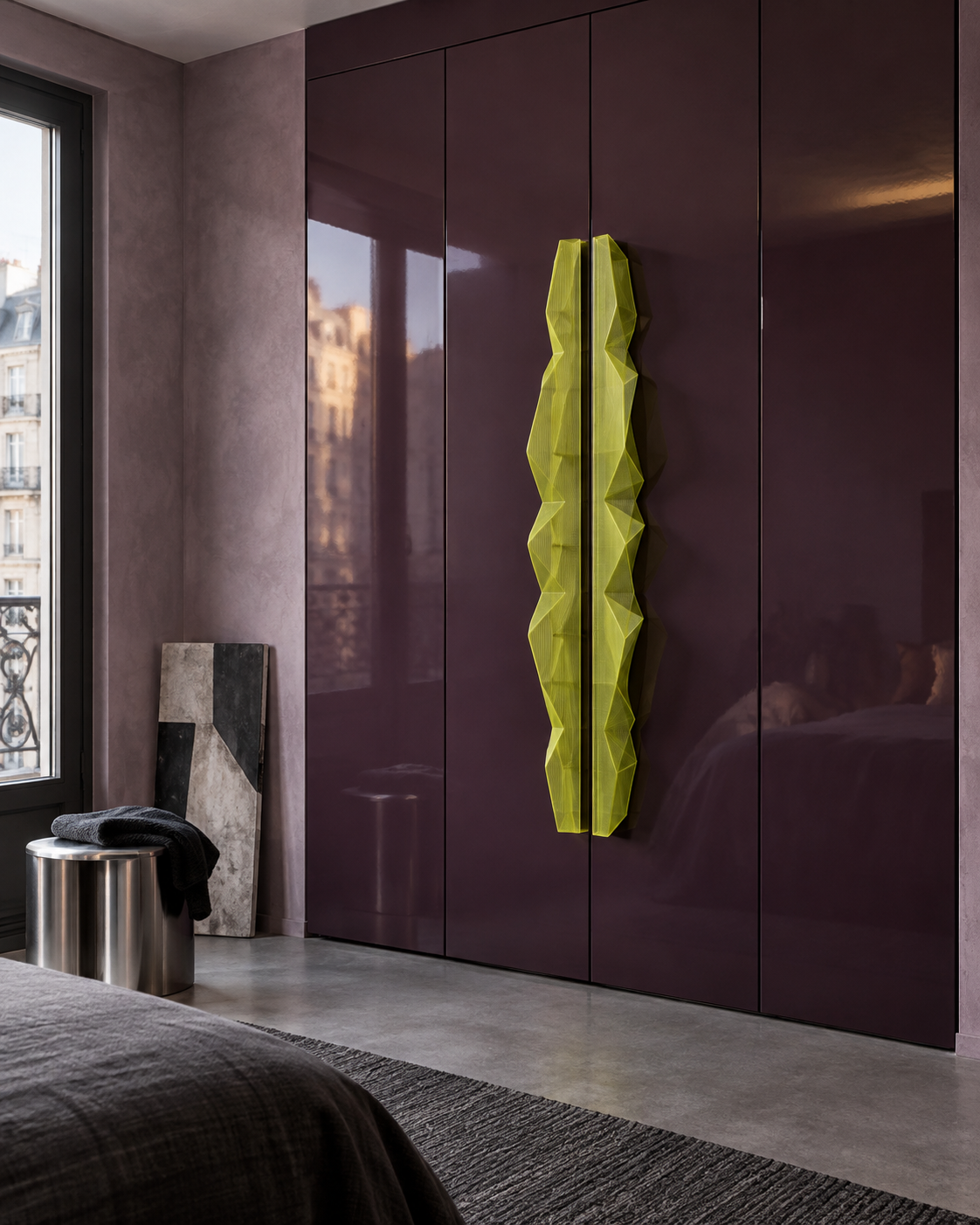
The handle made for the piece
A small object that changes how familiar furniture feels in the hand. The measurements are part of the idea.
INTERIORS
3D printing for the home can turn ordinary rooms, unfinished ideas and impossible-to-find details into something entirely personal.
About 4 min read
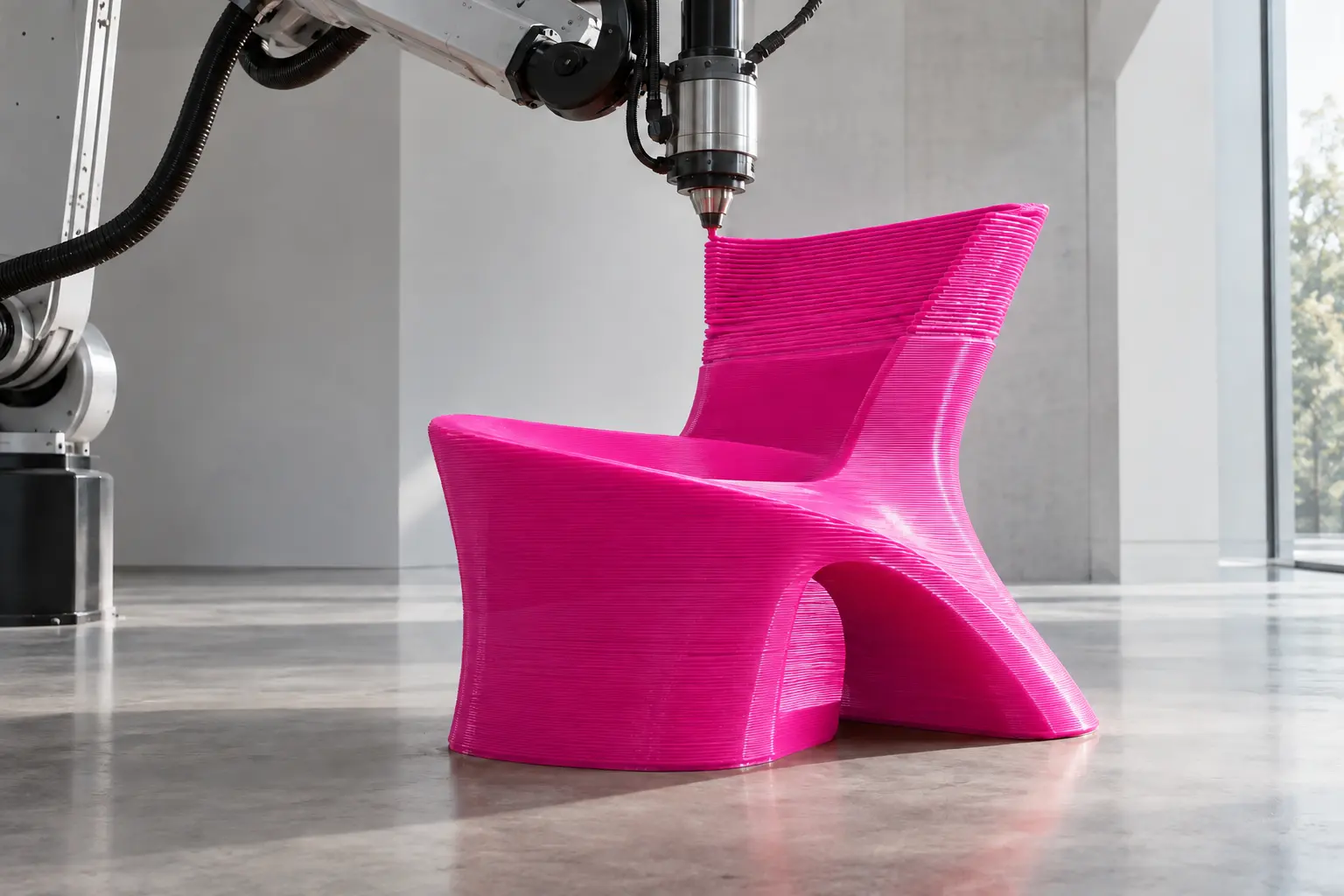
These 3D printing ideas for the home focus on the details that mass production rarely solves well: a handle made for one cabinet, a light designed for one corner, an organiser built to the millimetre or a replacement part that keeps furniture in use.
The point is not to print more objects. It is to make the precise object the room needs.
01 — HARDWARE THAT CHANGES THE FURNITURE

A handle is usually the smallest decision on a piece of furniture. But once it is designed for its exact proportions, it can become the reason we notice the furniture at all.
3D printing changes the scale of what is possible. A pull can stretch across an entire door, follow its edges or connect two surfaces visually. It doesn’t have to imitate brass, wood or ceramic. The printed layers, translucent colour and unusual geometry can become part of its character.
02 — LIGHTING THAT LOOKS LIKE SCULPTURE
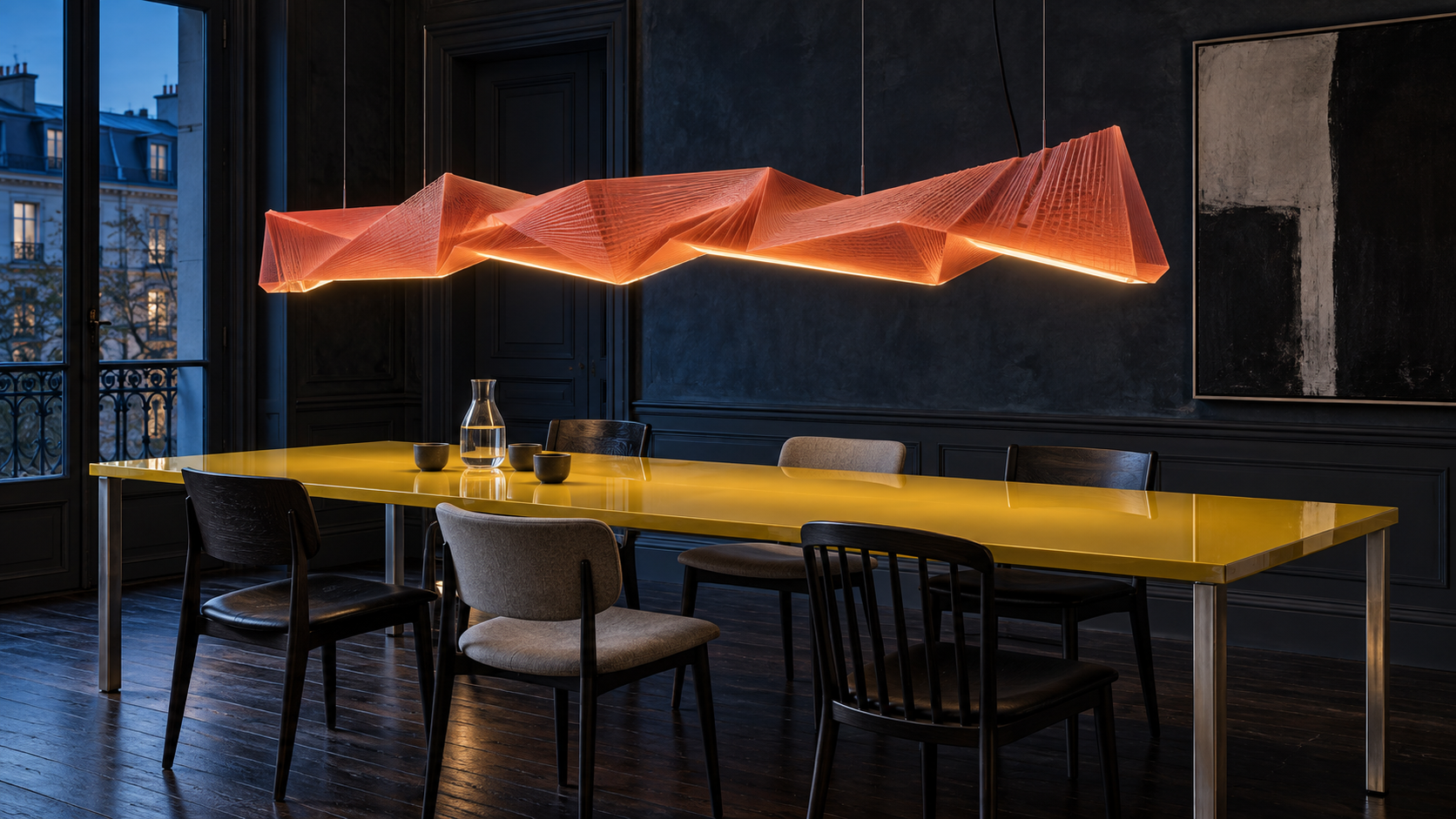
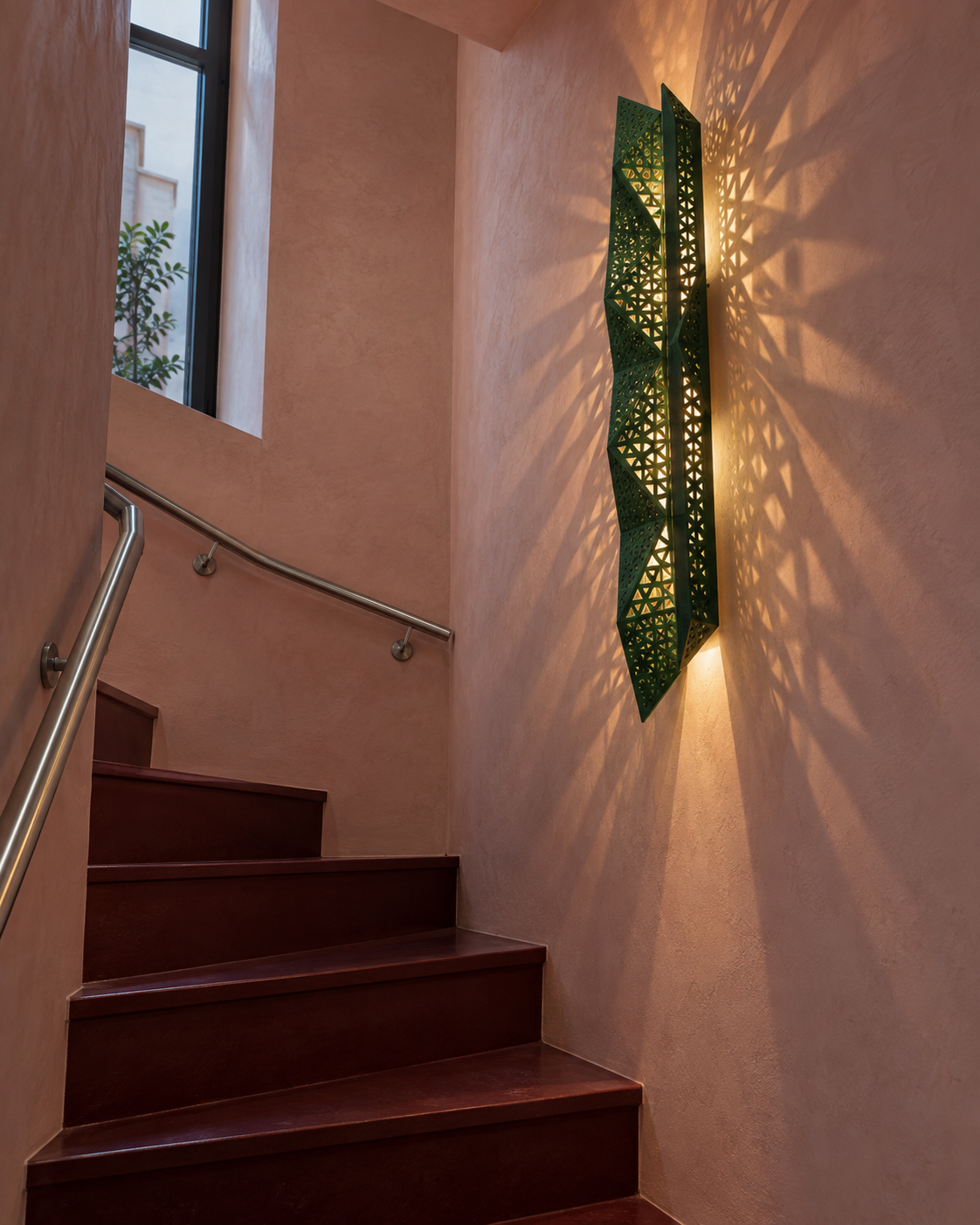
The most interesting printed lights don’t try to look handmade—or hide how they were made. Their layers filter the light, their structure creates shadow, and their proportions can be designed for the exact place they will occupy.
03 — THE WALL GETS DIMENSION
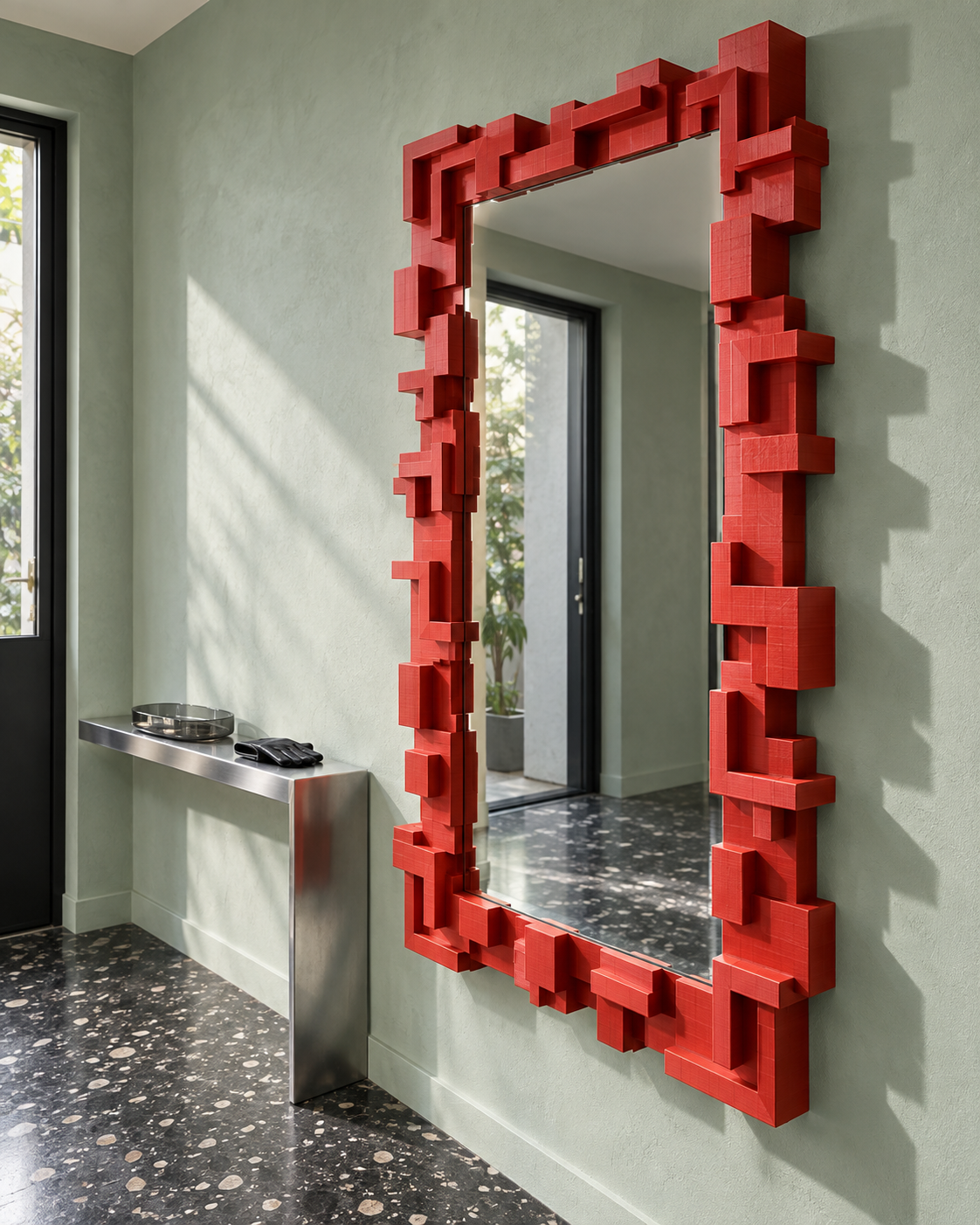
Printing in modules makes it possible to build beyond the size of the machine. A frame, frieze or wall object can grow piece by piece—and fit dimensions that no ready-made product was designed for.
The most personal object may be the one that solves a very ordinary problem.
04 — SMALL PROBLEMS, BEAUTIFUL SOLUTIONS
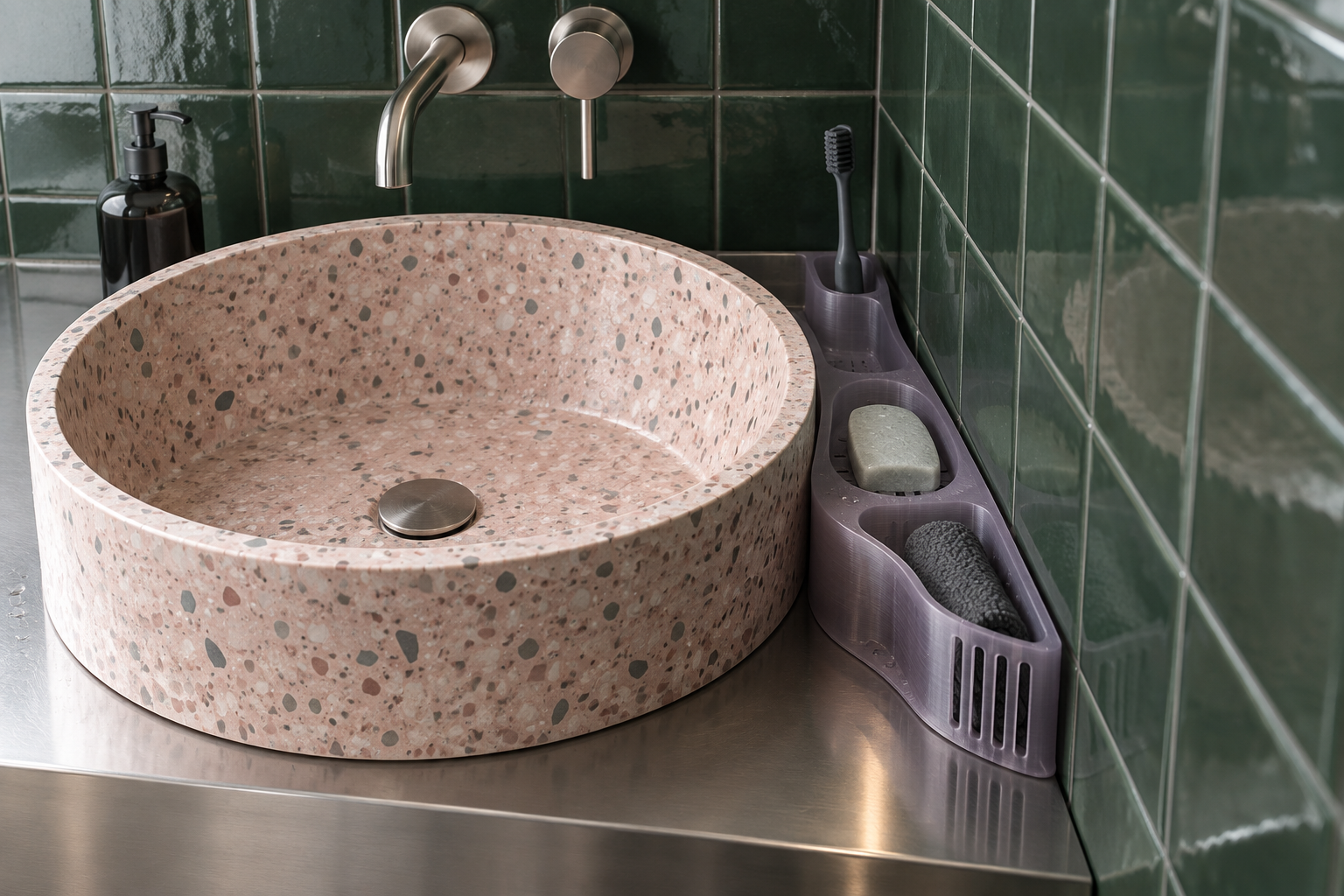
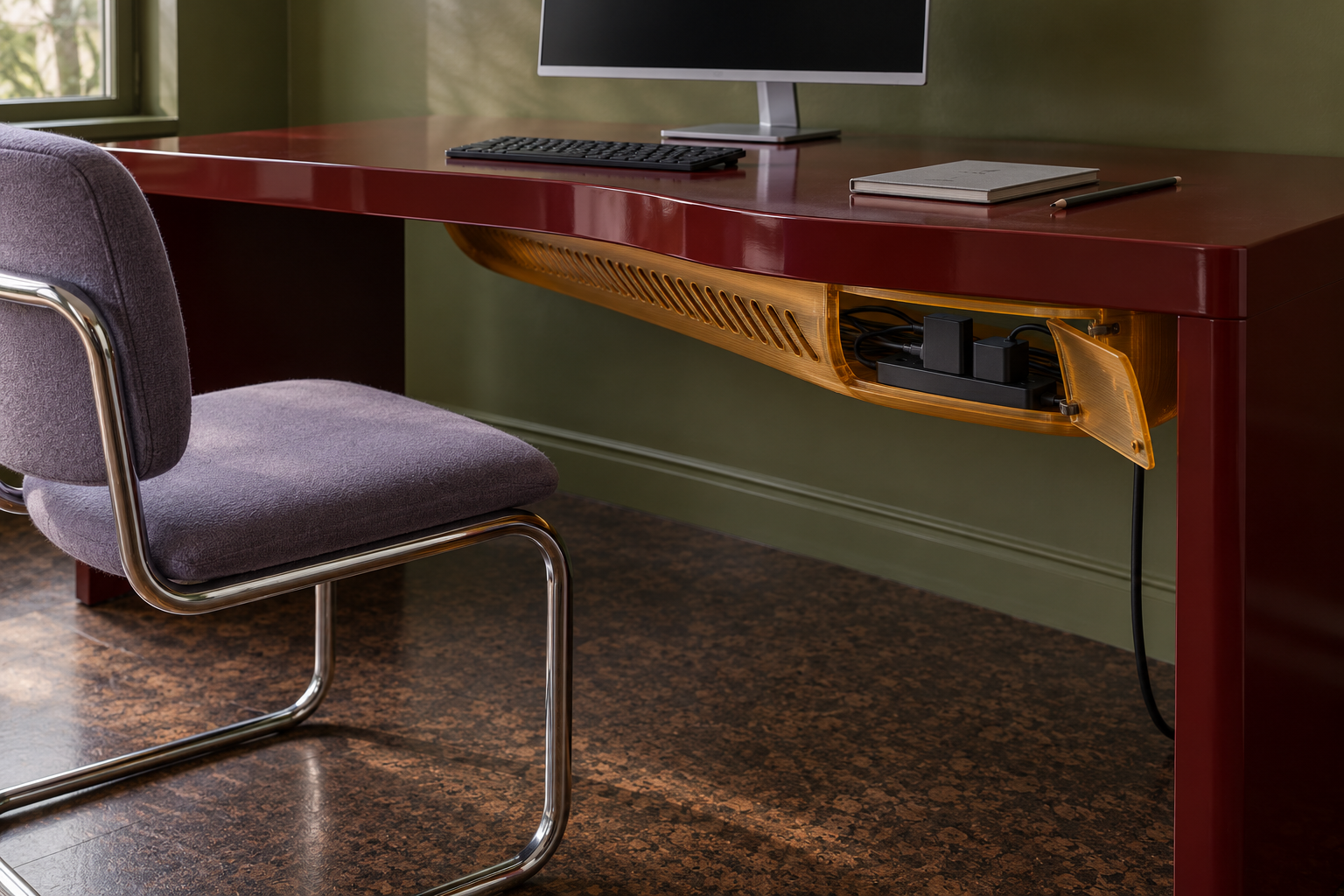
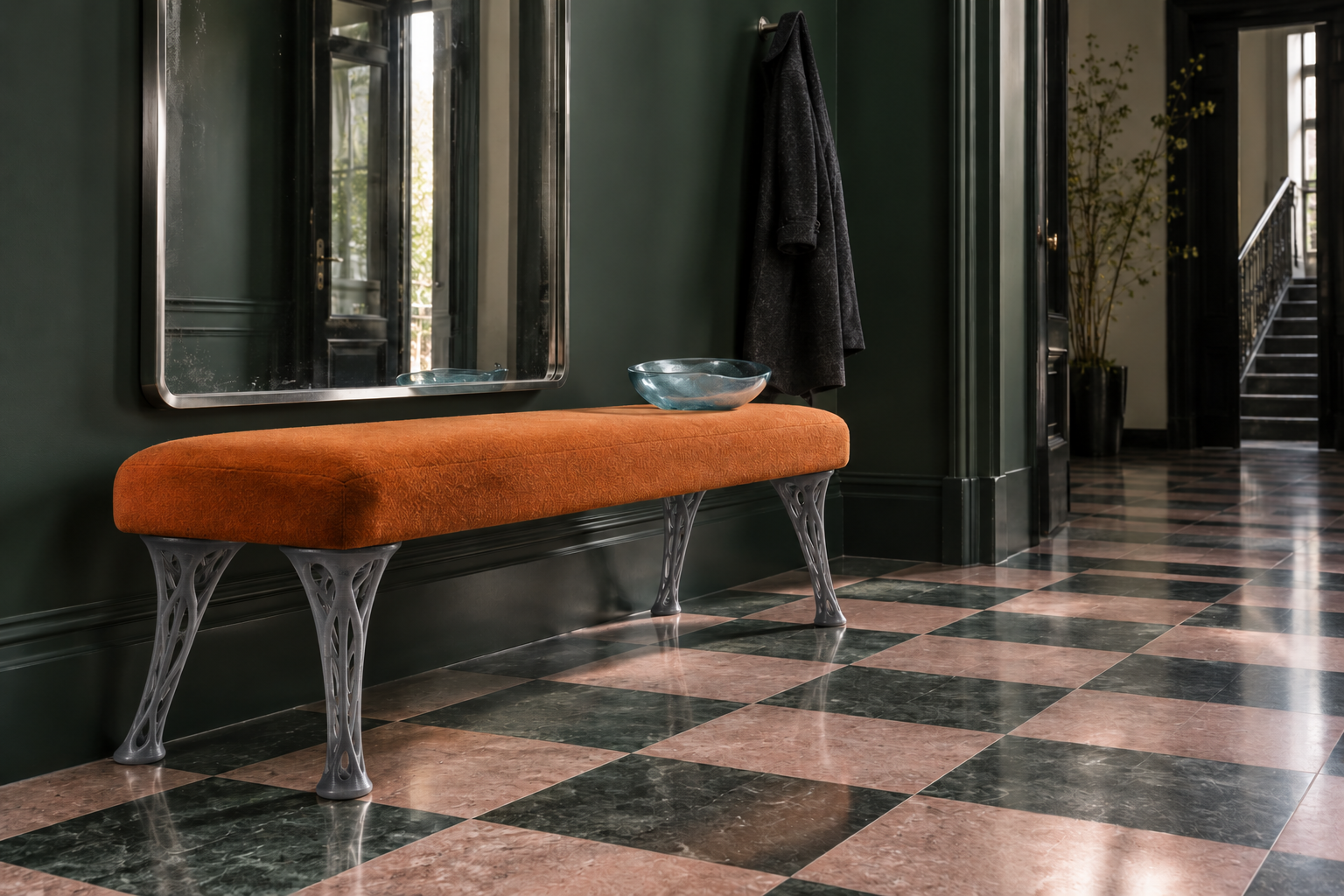
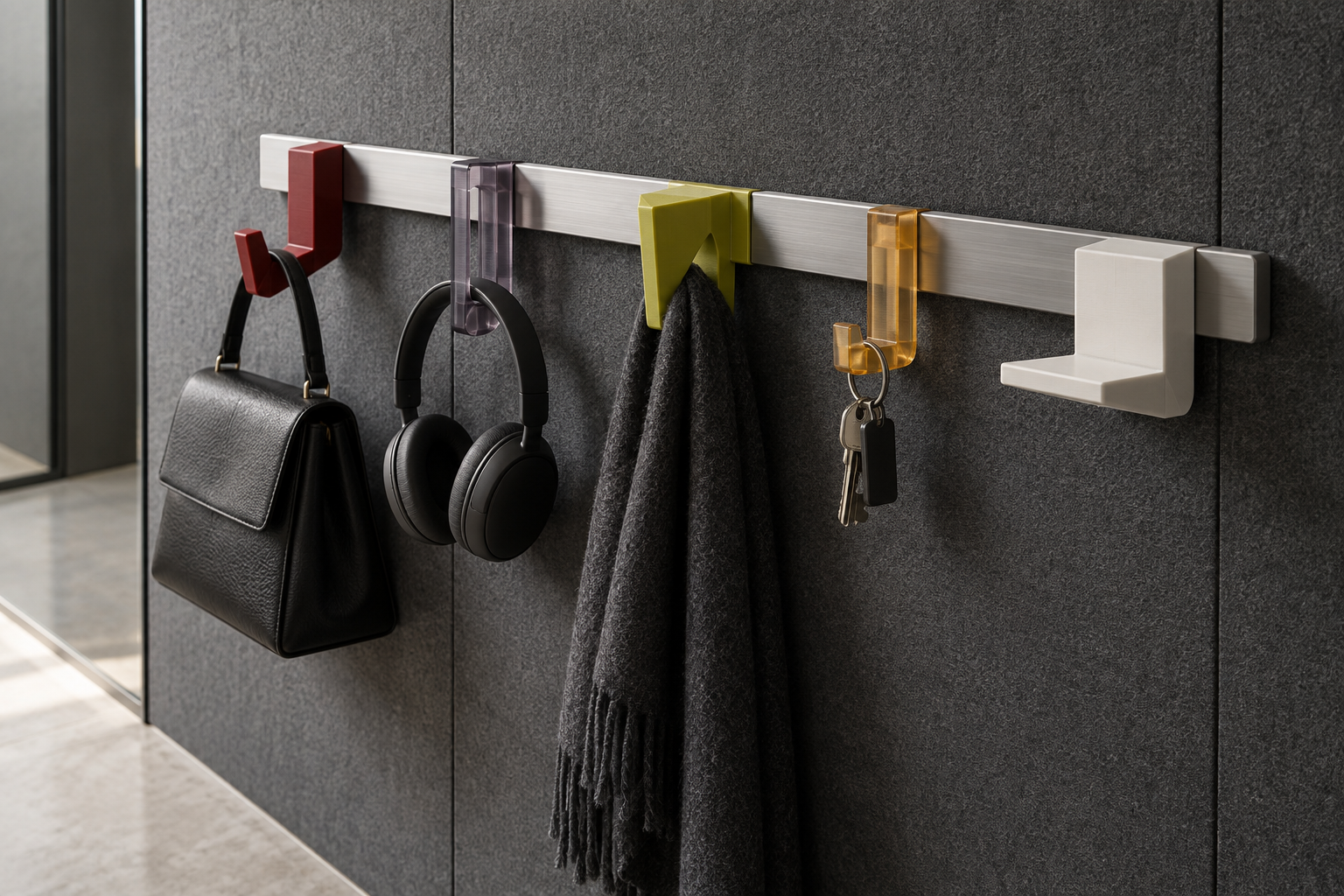
Some spaces are too narrow, too angled or simply too specific for anything we can buy. That is where printing becomes most useful—not by adding more things, but by solving the small irritations we have learned to live with.
05 — PRINT THE PART, NOT A NEW OBJECT
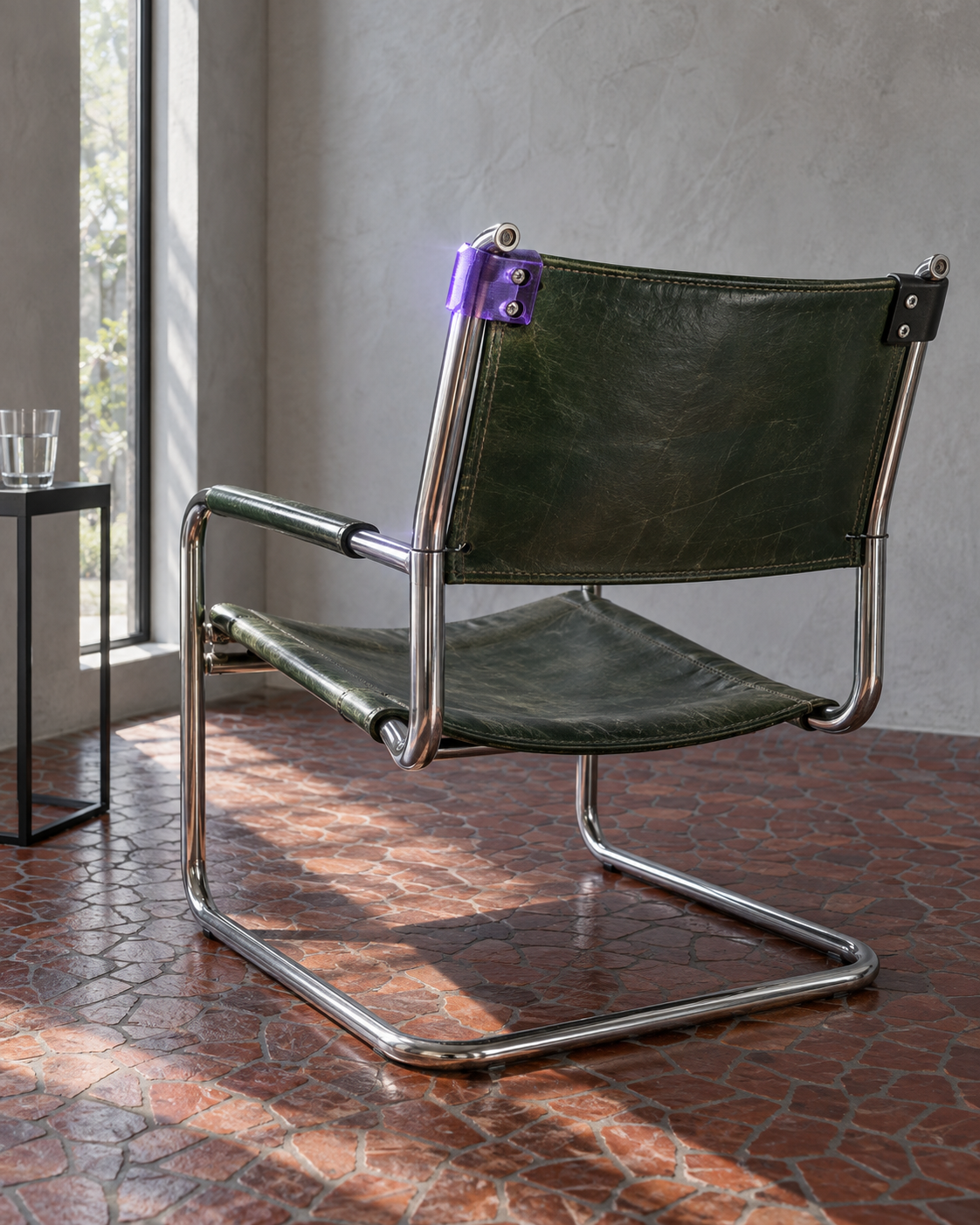
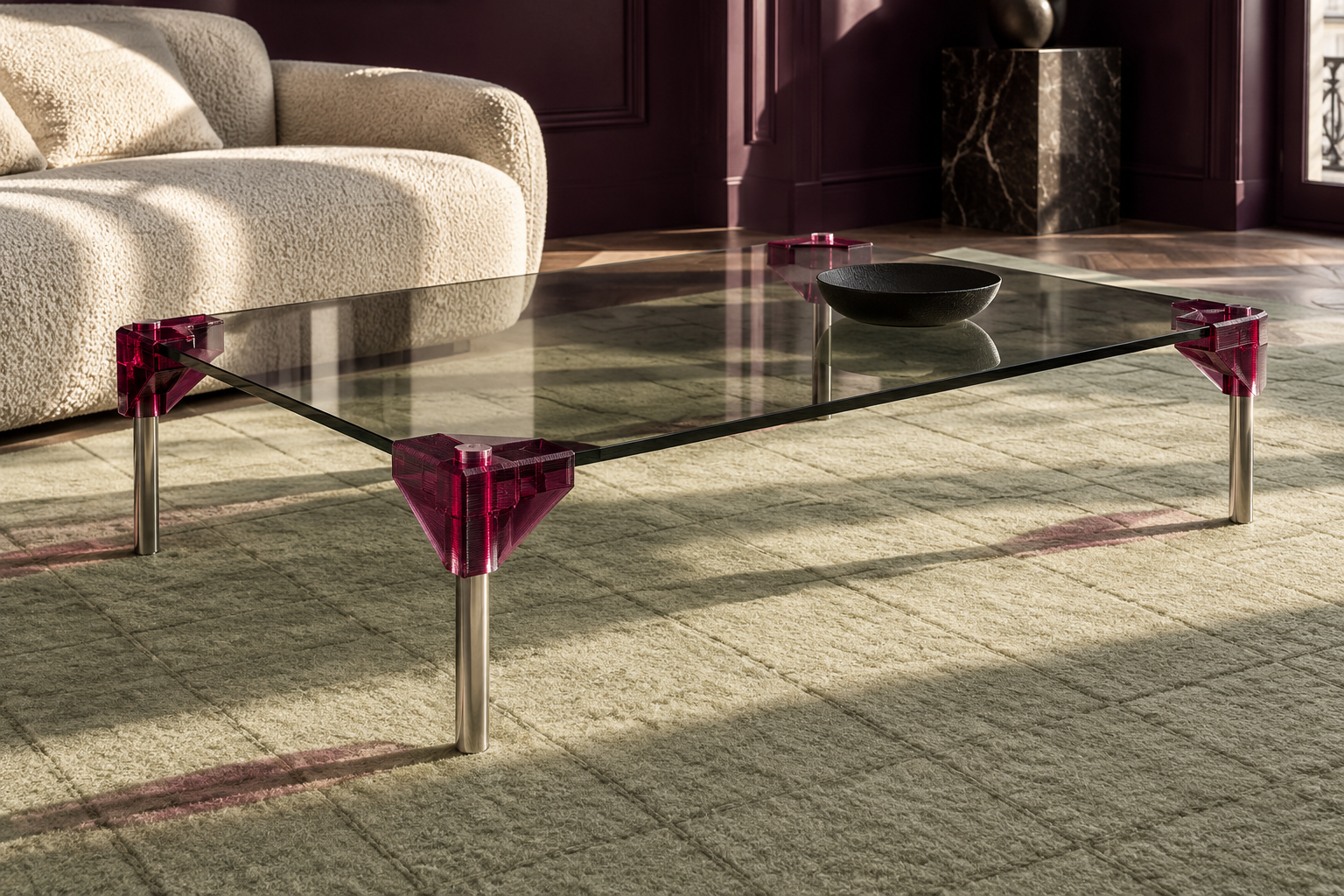
Furniture is often discarded because of the piece we notice least: a broken bracket, a missing cap, a hinge no longer made. If that part can be measured and rebuilt, the object does not need replacing.
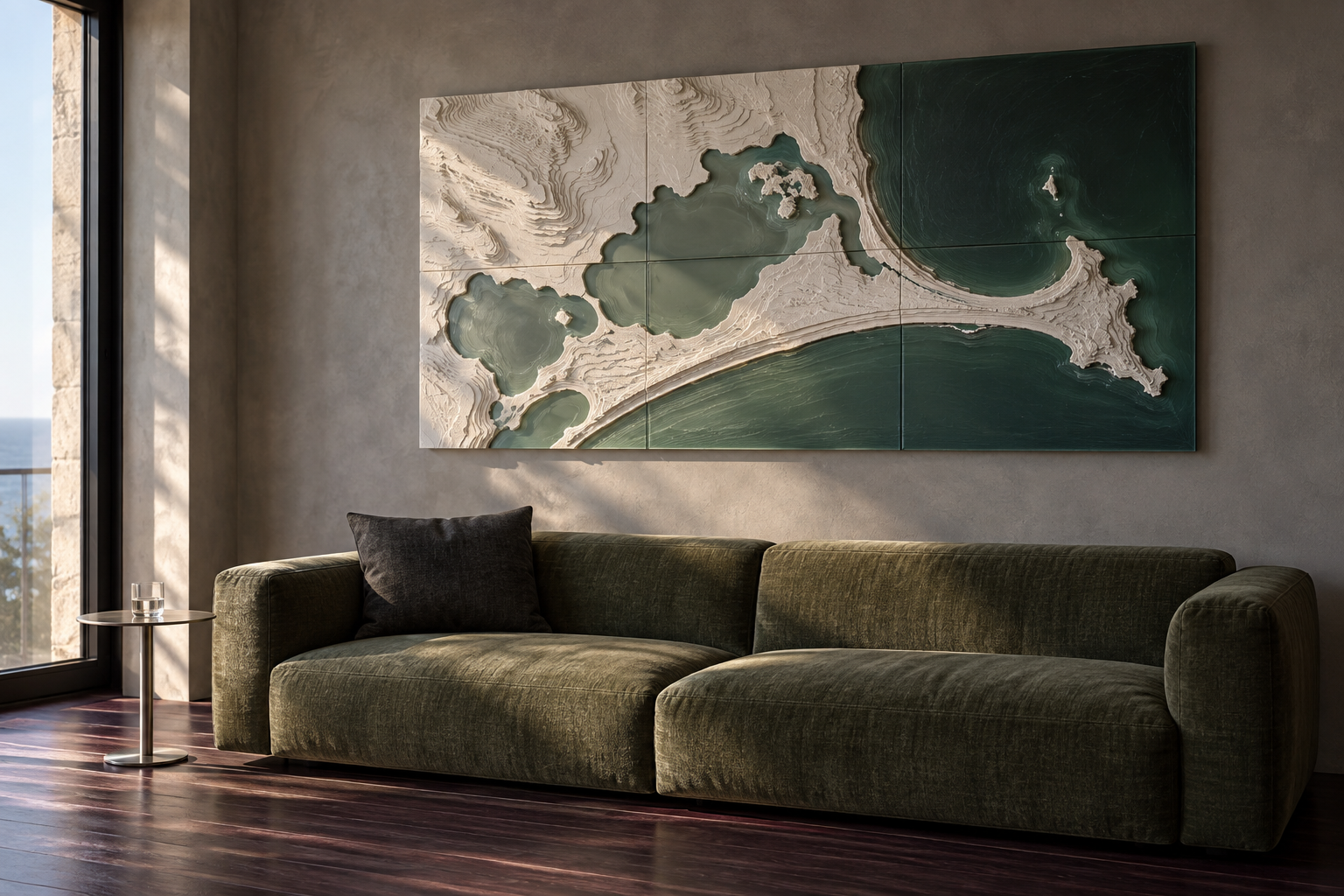
06 — OBJECTS THAT EXIST ONLY IN YOUR HOME
The most personal object may begin with a coastline, a child’s drawing, the plan of a first home or a shape that carries a private memory. Technology provides the method. The meaning still comes from us.
MY EDIT
01
A small object that changes how familiar furniture feels in the hand. The measurements are part of the idea.

02
This is where the technology becomes interesting to me: a solution shaped around a particular corner and an everyday job.

03
The most individual direction in the story. A remembered place gives the object a reason to exist beyond its appearance.
THE TAKEAWAY
The best prints begin with a real reason.
A missing part. An awkward corner. A personal memory, given form.
That is where 3D printing becomes useful: one precise solution, made for one particular home.
Measure twice. A few millimetres can decide whether the object feels custom-made or simply does not fit.
Choose the material for the job. Heat, moisture, sunlight and weight require different materials.
Test a small section first—especially for handles, joints and fitted organizers.
Treat concept images as inspiration. Load-bearing parts and electrical fittings need proper engineering and safe components. Use low-temperature LED lighting and materials suited to the application.
A HOME BECOMES PERSONAL WHEN THE SOLUTION COULD NOT HAVE BELONGED ANYWHERE ELSE.
MATERIAL REFERENCE